
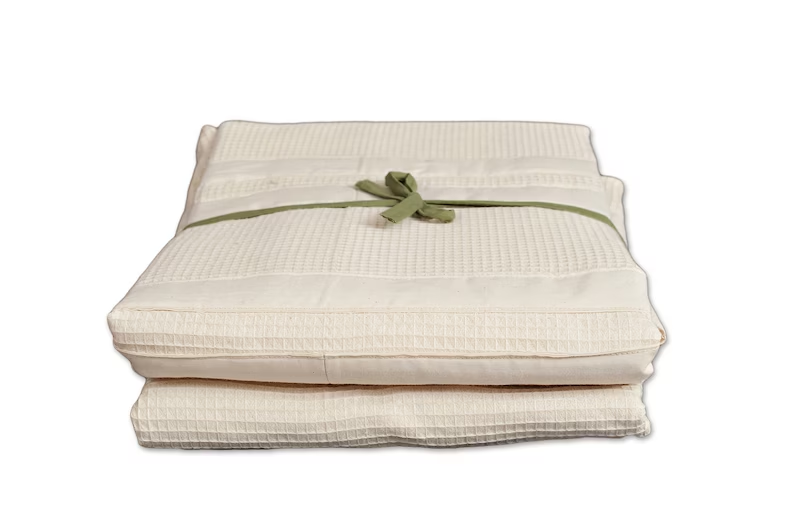
Have you ever thought about the stories that a simple piece of cloth could tell? The burial shroud, often deemed a humble garment, has wrapped itself around history, culture, and art in ways that are both captivating and profound. With its roots stretching back to ancient civilizations, the burial shroud isn’t just a piece of fabric; it’s a storyteller, a comforter, and a work of art all rolled into one. Let’s unravel the threads of this fascinating tradition and discover the intricate tapestry of meaning behind it.
The Historical Threads of Burial Shrouds
From the pharaohs of ancient Egypt to the modest homes of medieval Europe, burial shrouds have played a pivotal role in funerary rites. In ancient times, these shrouds were often crafted from linen or wool, serving both as a protective garment for the deceased and as a symbol of respect and care. The Egyptians, for instance, believed that a finely woven shroud was essential for a safe journey to the afterlife. In contrast, the shrouds of the Middle Ages often bore symbols and motifs reflecting religious beliefs, offering a glimpse into the spiritual lives of those who wore them.
- Ancient Egypt: Linen shrouds, often embellished with hieroglyphs and amulets, were believed to protect the soul.
- Medieval Europe: Woolen shrouds, sometimes dyed or embroidered, were common, reflecting both status and piety.
- Asian Traditions: Silk and cotton shrouds adorned with intricate patterns played a role in many Asian cultures, symbolizing purity and peace.
Crafting a Shroud: More Than Just Fabric
Creating a burial shroud is an art form that requires more than just skill with needle and thread. It’s about pouring love, respect, and intention into every stitch. The choice of material, the intricacies of the design, and the symbolism behind each element all contribute to the final masterpiece. Today, some artisans choose to incorporate eco-friendly materials, reflecting a growing awareness of sustainability even in the afterlife.
- Material Matters: Linen and cotton are popular choices for their natural fibers and biodegradability.
- Design Delights: Simple patterns can convey deep meanings, from peace doves to floral motifs symbolizing life’s fragility.
- Personal Touches: Custom shrouds may include family crests, favorite quotes, or even a beloved pet’s paw print.
The Cultural Significance of Burial Shrouds
Across the globe, burial shrouds carry cultural meanings that transcend their physical form. In some cultures, the shroud is seen as a final gift to the departed, an expression of love and respect that accompanies them on their journey. In others, it serves as a connection to ancestral traditions, a tangible link between the living and the dead.
- Jewish Tradition: The “tachrichim,” a simple white shroud, emphasizes equality in death, reflecting a belief in the purity of the soul.
- Islamic Customs: A plain white shroud, or “kafan,” is used, symbolizing simplicity and humility before God.
- Hindu Rituals: Shrouds are often vibrant and colorful, reflecting the celebration of the soul’s journey.
The Modern Revival of Burial Shrouds
In today’s world, where funerary practices are ever-evolving, the burial shroud is experiencing a renaissance. With a shift towards more personalized and environmentally conscious choices, many are turning back to the simplicity and elegance of the shroud. This revival is not just about tradition; it’s about reclaiming a sense of intimacy and connection in the ritual of saying goodbye.
- Eco-Friendly Focus: As green burials gain popularity, shrouds made from natural fibers are a sustainable option.
- Personalization Perks: Families can choose designs and materials that reflect the personality and values of their loved one.
- Artistic Expression: Some artisans are transforming shroud-making into a form of artistic expression, creating pieces that are as beautiful as they are meaningful.
FAQs About Burial Shrouds
-
What materials are traditionally used for burial shrouds?
- Historically, linen and wool were the most common materials, but today, cotton and even silk are used for their natural, biodegradable properties.
-
Are burial shrouds only used in certain cultures?
- While the specific styles and meanings of shrouds vary, they are found in many cultures worldwide, each with its own unique traditions.
-
Can burial shrouds be personalized?
- Absolutely! Many people choose to personalize shrouds with special symbols, quotes, or designs that reflect the deceased’s life and values.
-
Why are burial shrouds becoming popular again?
- With a growing interest in green burials and personalized funerals, shrouds offer a simple, meaningful, and eco-friendly alternative to traditional caskets.
-
How long does it take to make a burial shroud?
- Depending on the complexity of the design and the materials used, crafting a shroud can take anywhere from a few days to several weeks.
Conclusion
In the grand tapestry of life and death, the burial shroud holds a unique and cherished place. It’s a testament to human creativity, a bridge between cultures, and a gentle reminder of the love and care that accompany us, even in our final moments. Whether you view it through the lens of history, art, or personal expression, the burial shroud remains a profound and poignant symbol of the journey we all must take. So, the next time you find yourself pondering the mysteries of life and death, remember the humble shroud and the stories it has to tell.
